Category: Uncategorized

  • Exciting Changes in the Car Industry in 2026

    Exciting Changes in the Car Industry in 2026

    The car industry is changing fast. New cars are coming with better technology. They are safer, faster, and more eco-friendly.

    Many car companies are now making electric cars. These cars do not use fuel. They are good for the environment and save money on gas.

    Car safety is also improving. New models have cameras, sensors, and automatic brakes. These features help drivers avoid accidents.

    Some companies are testing self-driving cars. These cars can drive themselves on the road. Experts say this may become normal in the next few years.

    Car prices are also changing. Electric cars cost more now, but experts believe prices will go down as more people buy them.

    The car industry is also adding new apps. Drivers can check car health, location, and fuel online. This makes driving easier and smarter.

    Industry experts say the car world is moving fast. People should keep up with new technology. Cars in 2026 will be safer, cleaner, and more fun to drive.

  • Why Enrolling in a Welding Diploma in Rawalpindi Can Boost Your Career in 2026?

    Why Enrolling in a Welding Diploma in Rawalpindi Can Boost Your Career in 2026?

    Introduction

    In 2026, technical skills are more valuable than ever, and welding is one of the most in-demand professions worldwide. If you are looking for a stable and rewarding career, enrolling in a welding diploma in Rawalpindiย can be a smart decision. With growing industrial development and international job opportunities, skilled welders are highly sought after in both local and global markets.

    Growing Demand for Skilled Welders

    Industries such as construction, manufacturing, oil & gas, and infrastructure development are constantly in need of trained welders. Countries in the Gulf region, including Saudi Arabia and the UAE, offer excellent job opportunities for certified welding professionals. By completing a welding diploma, you increase your chances of securing high-paying jobs both in Pakistan and abroad.

    Advantages of a Welding Diploma

    1. Professional Skill Development

    A welding diploma provides structured training that covers both basic and advanced techniques. Students learn different welding methods like ARC, MIG, and TIG, making them versatile professionals.

    2. Hands-On Practical Training

    One of the biggest benefits of enrolling in a diploma program is practical experience. Students work with real tools and machines, which prepares them for real-world job environments.

    3. Recognized Certification

    A diploma adds credibility to your profile. Employers prefer candidates who have proper certification from a reputable training institute.

    4. Quick Career Start

    Unlike long academic degrees, a welding diploma allows you to enter the workforce quickly and start earning in a short time.

    Career Opportunities in 2026

    After completing a welding diploma in Rawalpindi, you can explore various career paths such as:

    • Welding Technician
    • Fabricator
    • Pipe Welder
    • Construction Welder
    • Industrial Worker

    With experience, you can also start your own welding business or work as a contractor. The demand for skilled welders is expected to grow even more in 2026, making this a future-proof career choice.

    How to Enroll at United College of Technology?

    If you want to build a successful career in welding, United College of Technology (UCT) is a trusted name in Rawalpindi. The institute offers professional diploma courses with a strong focus on practical training and industry-relevant skills.

    Address: S-272 Main New Katarian Stop Opposite Govt Girls College Karnal Sher Khan Shaheed, Old IJP Road, Rawalpindi, 46000, Pakistan

    Website: https://www.unitedcollege.edu.pk/

    To enroll, you can visit the campus or check the website for complete details about admission, course duration, and fee structure.

    Conclusion

    Enrolling in a welding diploma in Rawalpindi in 2026 is a smart investment in your future. With increasing demand, practical training, and global job opportunities, welding offers a stable and rewarding career path. By choosing a reputable institute like United College of Technology, you can gain the right skills and certification needed to succeed in this growing industry.

  • Where Are Clothes Manufactured: Complete Global Guide

    Where Are Clothes Manufactured: Complete Global Guide

    Where are clothes manufactured? The answer depends on what kind of clothes, at what price point, for what market, and by what kind of brand. The global garment production landscape is not a single industry, it is a network of specialized regional industries, each with its own cost structure, quality ceiling, lead time profile, and production culture.

    Understanding where are clothes manufactured, and why different brands choose different locations, is one of the most commercially useful pieces of knowledge a brand, buyer, or sourcing professional can carry. It determines what is possible, what it costs, how long it takes, and what quality level is achievable at each production geography. This guide covers the complete picture: the major manufacturing regions, what each does best, how the global apparel supply chain is structured, and where domestic USA production fits in the picture for brands who want it.

    The Global Garment Production Map: An Overview

    Global garment production is concentrated in a small number of countries that have built the infrastructure, workforce expertise, and supply chain density to produce apparel at commercial scale. The apparel production hubs worldwide divide roughly into three tiers based on cost, quality, and production capability.

    The first tier is the volume production tier, countries where massive manufacturing infrastructure exists, costs are relatively low, and the production expertise for standard garment categories is mature. China, Bangladesh, Vietnam, India, and Cambodia represent this tier for most of the global clothing market.

    The second tier is the value-add production tier, countries where costs are somewhat higher but where construction expertise, material access, or proximity to major markets creates commercial advantages. Turkey, Portugal, Mexico, and Morocco represent this tier for much of the European and American premium market.

    The third tier is the premium and domestic production tier, countries where production costs are highest but where quality control access, IP protection, lead time speed, and “made in” provenance create commercial value. The United States, Italy, France, and Japan represent this tier for the global luxury and premium market.

    Rays Creations operates in this third tier from Dix Hills, New York at 2 Vanderbilt Parkway, Dix Hills, NY 11746, producing jackets, leather goods, bags, wallets, and accessories for brands that want domestic USA production with the quality and customization depth that the premium tier provides. They are reachable at 516-528-5820 or care@rayscreations.co.

    Asia: The Volume Production Core

    China

    China remains the single largest apparel exporter in the world by value and volume, despite the cost increases and supply chain diversification of the past decade. Understanding where are clothes manufactured globally means understanding that China’s dominance is not just about cost, it is about manufacturing ecosystem density that no other country has fully replicated.

    The Pearl River Delta (Guangdong Province) and the Yangtze River Delta (Shanghai, Zhejiang, Jiangsu) are the primary clothing production regions in China. The garment factory distribution worldwide has no equivalent concentration, a manufacturer in Guangdong can source fabric, trim, hardware, and specialized production inputs within an hour’s drive. This supply chain proximity compresses production timelines and reduces the coordination overhead that apparel production in less concentrated markets requires.

    China’s clothing manufacturing countries comparison position has shifted over the past decade. Rising wages have pushed the lowest-cost production toward Bangladesh and Vietnam. China has responded by moving up the quality tier, retaining the most complex production, the fastest sampling capability, and the highest-specification work. The apparel manufacturing industry insights from this shift are clear: China remains dominant for complex garments, large runs, and brands that need sophisticated sampling and production capability alongside scale.

    Bangladesh

    Bangladesh is the second largest apparel exporter globally, with a garment industry concentrated in Dhaka and Chittagong. The textile factories worldwide overview places Bangladesh specifically in the mass-market basics tier, t-shirts, woven shirts, basic trousers, and jersey knit basics at high volumes and low price points.

    Bangladesh’s competitive position is built on a combination of low labor costs, preferential trade access to the European Union under GSP arrangements, and a workforce with decades of garment production experience. Fashion brands produce items in Bangladesh primarily when volume and cost are the dominant sourcing criteria and when the construction complexity is manageable within the industry’s quality standard.

    The limitations of Bangladesh production are well documented in the clothing sourcing regions explained literature: limited fabric manufacturing infrastructure means most fabric must be imported, which compresses the speed and flexibility advantages that domestic textile integration provides. Factory safety and labor standards, which have improved significantly since the Rana Plaza collapse of 2013, remain an active concern for brands building ethical supply chain narratives.

    Vietnam

    Vietnam has been the primary beneficiary of the supply chain diversification away from China that accelerated through the trade war period and the pandemic disruptions. The apparel export nations comparison shows Vietnam growing its share consistently across the past decade, particularly in the American import market where its preferential tariff treatment relative to China has been a commercial advantage.

    Vietnam’s garment production geography guide position is strongest in outerwear, athletic wear, and cut-and-sew operations for brands moving production out of China. The labor cost advantage relative to China is meaningful, and the production quality ceiling for the categories Vietnam specializes in is competitive with Chinese production for comparable product specifications.

    The garment production statistics global tracking shows Vietnam’s growth trajectory continuing, though increasing wage inflation is compressing the cost advantage relative to both China and the next tier of lower-cost producers in Cambodia and Myanmar.

    India

    India occupies a distinctive position in the clothing production economics overview, it is simultaneously a major low-cost volume producer for basics and a specialist producer for hand-craft techniques, embellishment, and high-value artisanal production that no other major manufacturing country replicates at scale.

    The textile production hotspots worldwide in India span from the cotton-based production of Gujarat and Maharashtra to the silk weaving traditions of Varanasi and Kanchipuram to the apparel manufacturing clusters of Tirupur (knitwear), Delhi (fashion and woven garments), and Bengaluru (high-end tailoring). This geographic diversity mirrors India’s position as a supplier across multiple market tiers.

    India’s challenges in the major textile producing countries ranking include infrastructure gaps, more complex regulatory environment than China or Bangladesh, and variable production quality that requires more active quality management than more consolidated manufacturing clusters provide.

    Cambodia, Sri Lanka, and Southeast Asia

    Cambodia, Sri Lanka, Myanmar, Indonesia, and the Philippines collectively form a significant part of the garment industry global map, particularly for brands seeking alternatives to China and Bangladesh. These countries generally occupy the lower-to-mid cost tier with production expertise concentrated in specific garment categories, Cambodia in basics, Sri Lanka in intimate apparel and activewear, Indonesia in sportswear and outdoor apparel.

    The Near-Shore Advantage: Turkey, Portugal, and Morocco

    For European brands and American brands building premium or fast-fashion programs, near-shore production offers a proximity advantage that Asian manufacturing cannot replicate.

    Turkey

    Turkey is the dominant near-shore apparel manufacturing country for the European market, with a textile industry that spans raw fiber production through finished garment manufacturing, one of the few countries globally with full supply chain integration. The fashion manufacturing countries ranking places Turkey specifically in the mid-to-premium tier for denim, knitwear, and leather goods.

    The clothing production regions analysis advantage of Turkish manufacturing for European and American brands includes: competitive production costs relative to Western Europe, strong textile infrastructure, high production quality ceiling, and geographic proximity to European markets that keeps landed costs and lead times competitive with Asian production despite higher manufacturing costs.

    Portugal

    Portugal has emerged as one of the most important apparel sourcing countries guide destinations for premium and luxury European brands seeking “Made in Portugal” provenance alongside genuine manufacturing quality. The country’s textile tradition, particularly in knitwear, shirting, and leather goods, supports a production quality ceiling that competes with Italian manufacturing at a lower cost point.

    The apparel export market countries data shows Portugal consistently growing its share of the premium European market. For American brands seeking a European provenance for premium product, Portuguese manufacturing is frequently the most commercially viable path.

    Morocco

    Morocco serves a similar function for the French market that Turkey serves for the broader European market, a near-shore textile production location with strong French commercial relationships, preferential trade access to the EU, and a workforce with decades of garment production experience.

    The Premium Tier: USA, Italy, France, Japan

    United States

    Where are clothes manufactured for the American premium and domestic-origin market? The answer is primarily the USA, with the manufacturing concentrated in specific regional clusters.

    The New York metro area, Los Angeles, and North Carolina are the three primary domestic apparel manufacturing locations. Each has different strengths: New York for outerwear, leather goods, and premium fashion; Los Angeles for contemporary fashion, activewear, and denim; North Carolina for basics, workwear, and athletic programs.

    The clothing origin labeling rules in the United States require “Made in USA” claims to be substantiated, the FTC’s standard for a “Made in USA” claim is that the product must be “all or virtually all” made in the United States. This standard, and the consumer trust that a substantiated domestic origin claim carries, is one of the commercial reasons the USA domestic manufacturing market has maintained more vitality than purely cost-based analysis would predict.

    Rays Creations is part of this domestic manufacturing landscape, producing in the New York metro area for brands that want USA production quality, IP protection, and the proximity advantages that domestic manufacturing provides. Their full production range covers jackets, leather goods, bags, wallets, and accessories with customization depth that the domestic premium market demands.

    Italy

    Italy is the preeminent luxury apparel manufacturing country globally, with production clusters in specific regions: Como for silk fabrics and printing, Biella for high-end wool textiles, Carpi for knitwear, and the broader Emilia-Romagna and Tuscany regions for leather goods and luxury garments. The textile export leaders worldwide data shows Italy maintaining its premium position despite cost pressures that have shifted volume production elsewhere.

    Italian manufacturing’s commercial value for global luxury brands extends beyond the quality ceiling, “Made in Italy” carries brand equity that is commercially valuable in the luxury market in ways that the production cost comparison does not capture. This is the clearest example in the apparel sourcing geography overview of a manufacturing origin functioning as a brand asset.

    France and Japan

    France and Japan occupy similar positions in different market contexts, premium origin designations with genuine manufacturing heritage that carry brand value alongside production quality. French manufacturing is concentrated in Paris and surrounding regions for luxury fashion and in Lyon for silk and specialty fabrics. Japanese manufacturing is concentrated in Osaka and Tokyo for fashion garments and in specific regional centers for denim (Okayama), indigo dyeing (Tokushima), and technical fabrics.

    How Brands Choose Where to Manufacture

    The apparel sourcing decisions guide for a brand choosing where to manufacture is a multi-variable optimization across cost, quality, lead time, IP protection, origin provenance, and supply chain risk.

    Cost vs. Quality

    The most fundamental apparel production countries analysis tradeoff is cost against quality ceiling. Lower-cost manufacturing locations generally have lower quality ceilings, not because quality is impossible in these locations, but because the price point at which high-quality production becomes commercially rational is higher than the cost structure of these locations supports for most product categories.

    The textile manufacturing hubs comparison shows a consistent pattern: the manufacturing locations with the lowest labor costs produce the most cost-competitive basics, and the manufacturing locations with the highest labor costs produce the most quality-competitive premium goods. Brands building between these poles make tradeoffs that the apparel sourcing strategies global analysis has documented extensively.

    Lead Time

    Geographic proximity to the consumer market is one of the most underweighted variables in the garment sourcing worldwide guide literature. A 90-day lead time from an Asian manufacturer versus a 3-week lead time from a domestic or near-shore producer is not just a logistics difference, it is a merchandise planning difference, a cash flow difference, and a market responsiveness difference that affects the brand’s ability to react to demand signals.

    The clothing production country comparison between domestic and overseas production looks different when lead time costs are included: the working capital tied up in goods in transit, the markdown risk that long lead times create by separating the buying decision from the selling period by months, and the cost of missed market timing are all real costs that the per-unit price comparison does not capture.

    IP Protection

    The clothing origin countries explanation for premium brands building proprietary designs includes an IP protection dimension that cost analysis ignores. Design files, pattern specifications, construction techniques, and custom material recipes shared with overseas manufacturers enter legal environments where enforcement of IP rights varies significantly. Domestic manufacturing keeps these assets within the US legal system, where enforcement is more practical.

    “Made In” Provenance

    The apparel production insights global literature increasingly documents consumer willingness to pay a premium for domestic or specified-origin production. The “Made in USA” claim, the “Made in Italy” designation, and the “Made in Japan” provenance are each commercially valuable in specific market segments, the outdoor and workwear customer, the luxury fashion customer, and the premium denim customer, respectively. Brands targeting these segments gain commercial value from their manufacturing location that extends beyond the quality ceiling the location provides.

    Domestic USA Manufacturing: Where It Fits in the Global Picture

    The garment production countries breakdown for USA domestic manufacturing shows a market that has contracted significantly from its mid-twentieth century peak but that has maintained vitality in specific segments: premium outerwear, leather goods, luxury fashion, activewear, and workwear.

    The textile production countries ranking does not place the USA among the top volume producers, that position belongs to China, Bangladesh, and Vietnam. But the USA domestic manufacturing market is not competing on volume. It is competing on quality, speed, IP protection, and origin provenance, the dimensions of competition where domestic production maintains genuine advantages.

    For brands building in outerwear, leather goods, accessories, or premium basics, the apparel manufacturing trends global shift toward supply chain diversification and domestic production has created more domestic manufacturing capacity than existed five years ago. The apparel outsourcing destinations list has gotten shorter for some categories as brands have rediscovered that domestic production’s total cost advantage is more competitive than the per-unit comparison suggests.

    Rays Creations serves this domestic market specifically, producing in the New York metro area with the quality standard, customization depth, and production range that USA-manufacturing brands require. Their range covers bombers, bikers, denim jackets, varsity jackets, leather jackets, and windbreakers alongside leather goods, bags, wallets, and accessories, all from one domestic operation.

    The Future of Global Clothing Manufacturing

    The textile manufacturing worldwide trends point toward continued diversification away from China concentration, growing near-shore production for European and American markets, and increasing domestic manufacturing investment in the USA and Europe driven by supply chain resilience concerns and consumer origin preferences.

    The garment industry sourcing trends also show sustainability and traceability becoming more commercially significant, brands that can document their supply chain’s labor practices, material origins, and production conditions are differentiating from those that cannot. Domestic and near-shore manufacturing has a structural advantage in this trend because documentation and verification are more practically achievable with manufacturers that are accessible for visits and operating within familiar legal frameworks.

    The clothing manufacturing hubs explained literature consistently identifies the USA, Turkey, Portugal, and India (for specific categories) as the manufacturing locations gaining share in the premium market segment. The race to the bottom in cost-competitive basics continues in Bangladesh, Cambodia, and Vietnam. The middle of the market continues to shift, with brands making increasingly sophisticated tradeoffs between the apparel production chain global variables to find the manufacturing location that serves their specific commercial requirements.

    Global Manufacturing Insights: Regions, Statistics, and Trends

    The garment production supply chain is one of the most complex industrial networks on the planet, spanning raw fiber cultivation through finished product delivery across dozens of countries and hundreds of production steps. Understanding this clothing industry supply chain map helps brands make sourcing decisions that account for the full cost and risk picture rather than just the quoted production price.

    Regional Production Analysis

    The textile manufacturing regions overview shows distinct regional specializations that reflect decades of accumulated industrial investment and workforce development.

    The apparel manufacturing regions list for Asia places China at the top of the garment production countries breakdown by value, with the Pearl River Delta and Yangtze River Delta as the primary textile production areas worldwide. Bangladesh and Vietnam follow as the dominant volume producers in the clothing production regions worldwide, with Cambodia and Myanmar representing the next tier of lower-cost producers in the garment production zones worldwide.

    The textile export countries overview for Europe shows Turkey and Portugal as the leading near-shore producers, with Italy commanding the luxury tier. The apparel sourcing countries comparison between Turkish and Portuguese production reveals different strengths: Turkey’s advantage is scale and speed, Portugal’s advantage is quality ceiling and EU provenance.

    The garment factories global distribution data shows that factory concentration follows supply chain infrastructure, the manufacturing clusters with the most factory density are the ones with the most developed upstream textile production, the strongest transportation infrastructure, and the deepest workforce expertise in the relevant garment categories.

    Production Cost Geography

    The clothing production cost countries analysis is more nuanced than the simple labor cost comparison that most apparel sourcing geography overview discussions reduce to. Labor is typically 20-35% of total production cost in most apparel categories. Fabric cost, trim and hardware sourcing, factory overhead, quality management, shipping, and lead-time-related inventory costs make up the remainder.

    The garment sourcing strategies worldwide literature documents a consistent pattern: brands that calculate total landed cost, including all the variables beyond the production quote, often find that near-shore and domestic manufacturing is more competitive than per-unit comparisons suggest. This is the clothing production economics overview finding that has driven the reshoring trend of the past several years.

    The apparel outsourcing destinations list has evolved significantly over the past decade. China’s share of the garment sourcing worldwide volume has declined as wage increases and tariff concerns pushed brands toward alternative sourcing geographies. The textile sourcing countries list for American brands has expanded to include more Vietnam, Bangladesh, and near-shore Mexico production, reflecting the apparel sourcing decisions guide principle that supply chain diversification reduces concentration risk even when it adds per-unit cost.

    The Garment Industry Global Overview

    The garment industry global overview shows an industry in structural transition. The apparel manufacturing trends global direction is toward shorter supply chains, faster lead times, greater supply chain transparency, and more domestic and near-shore production for brands serving premium market segments.

    The textile manufacturing worldwide trends include growing investment in sustainable production, recycled fiber content, lower-impact dyeing processes, and water recycling infrastructure, driven by both regulatory pressure and consumer demand. The textile production network global is responding by investing in sustainability credentials that brands can document and communicate.

    The garment industry sourcing trends also show increasing automation investment in manufacturing locations with rising labor costs, China and Turkey in particular are deploying automated cutting, sewing assistance, and quality inspection technology to maintain competitiveness as labor cost advantages erode. This textile industry location analysis finding suggests that the lowest-labor-cost manufacturing locations may face disruption as automation reduces the labor cost advantage that is currently their primary competitive position.

    Manufacturing Statistics and Export Data

    The garment manufacturing statistics global tracking shows that the top five apparel exporting countries, China, Bangladesh, Vietnam, India, and Turkey, account for roughly 60% of global apparel exports by value. The apparel export market countries data shows the USA and Germany as the two largest apparel import markets, which explains why manufacturing locations with preferential trade access to these markets have grown their export share.

    The textile production countries ranking by export value has been relatively stable at the top, China has held the number one position for decades, but the second through fifth positions have shifted significantly as Vietnam and Bangladesh have grown their shares while traditional producers like South Korea and Taiwan have moved production capability to lower-cost locations.

    The garment factories location guide data shows that factory concentration is not simply a function of labor cost, regulatory environment, infrastructure quality, and proximity to raw material production all influence where factories locate within and between countries. The textile factories countries overview reveals that the most productive manufacturing clusters are almost always the ones with the most developed upstream supply chains.

    Apparel Sourcing Geography

    The clothing manufacturing regions guide for sourcing professionals organizes the global apparel sourcing geography overview into five decision dimensions: cost, quality, lead time, IP protection, and origin provenance. Each manufacturing region scores differently on these dimensions, and the optimal sourcing geography for a specific brand depends on which dimensions matter most for their specific commercial requirements.

    The apparel industry sourcing map for USA brands typically points toward Asia for volume basics, Mexico or Central America for near-shore basics, Turkey or Portugal for near-shore premium, and USA domestic production for the combination of quality, speed, IP protection, and origin provenance that no other location provides in the same package.

    The clothing manufacturing countries analysis consistently shows that the brands with the most durable competitive positions are the ones that match their manufacturing geography to their market positioning, using the right production location for the right product rather than optimizing all production toward a single cost-minimization objective.

    The apparel manufacturing countries guide for new brands entering the market in 2026 recommends starting with the quality and market positioning questions before the cost questions, understanding where the brand needs to compete before determining how much manufacturing location choice influences whether it can compete there.

    The garment production locations analysis for USA domestic production shows a market that is more competitive than it was five years ago, with more manufacturing capacity available across outerwear, leather goods, activewear, and basics as brands have invested in reshoring following supply chain disruptions. The clothing manufacturing insights global data confirms that domestic USA production has grown its share of the premium apparel and accessories market specifically.

    The apparel production regions overview for 2026 is best summarized as: the volume tier is stable in Asia, the near-shore tier is growing in Turkey and Portugal, and the domestic tier is growing in the USA for premium categories. The textile supply chain countries serving each tier have adapted to these shifts, with upstream fabric and trim suppliers following garment production investment into new geographies.

    Comprehensive Reference: Global Apparel Manufacturing Data

    The clothing manufacturing supply chain spans five major stages: fiber production, yarn and fabric manufacturing, garment cut-and-sew, finishing and quality inspection, and distribution logistics. The apparel industry global supply network connecting these stages crosses dozens of national borders for most garments sold in Western markets.

    The textile factories global overview shows approximately 40 million workers employed in garment production globally, with the largest concentrations in China, Bangladesh, India, Vietnam, and Indonesia. The garment factories worldwide list of the largest production operations is dominated by Asian conglomerates that serve the global volume market across multiple product categories.

    The clothing manufacturing countries list detailed analysis for USA import data shows the top five countries of origin as China, Vietnam, Bangladesh, India, and Indonesia by volume. The garment manufacturing countries overview for the premium segment shows a different ranking: Italy, Portugal, Japan, France, and USA domestic production lead by brand positioning value.

    The textile manufacturing country comparison between major producing countries reveals different competitive positions. China leads in production complexity and ecosystem depth. Bangladesh leads in cost for standard constructions. Turkey leads in speed and near-shore positioning. Portugal leads in quality ceiling per cost unit among EU producers. The USA leads in IP protection, regulatory clarity, and domestic market proximity.

    The clothing production chain explained for a standard garment involves: fiber production, spinning into yarn, weaving or knitting into fabric, dyeing and finishing, cutting and sewing, quality inspection, and final shipping. The garment production supply chain global for a single garment commonly crosses five to eight national borders before reaching the consumer.

    The apparel industry production countries that have captured the most growth over the past decade are Vietnam and Bangladesh for volume production, and Portugal and Turkey for near-shore premium production. The textile sourcing global insights from this period show that supply chain diversification has become a primary sourcing objective for major global brands.

    The garment production insights worldwide for 2025-2026 show continued growth in near-shore production, accelerating automation investment, and growing demand for supply chain transparency. The clothing production locations global picture is becoming more diverse, with brands actively distributing production across more geographies to reduce risk.

    The apparel manufacturing insights worldwide literature consistently identifies three macro trends: automation reducing the labor cost advantage of the lowest-cost producers, sustainability driving premium on documented ethical production, and reshoring creating viable domestic manufacturing options.

    The garment production countries insights for USA domestic show an industry that has found its competitive position in speed, quality, IP protection, and origin provenance. The clothing manufacturing hotspots list for domestic USA in 2026 is led by the New York metro area, Los Angeles, and North Carolina.

    The garment sourcing country insights for brands making their first sourcing decision in 2026 point toward a nuanced analysis: the cheapest per-unit option is rarely the lowest-cost total solution, and domestic production is more cost-competitive than it was five years ago for premium categories.

    The apparel sourcing regions guide for American brands divides naturally into Asia for volume basics, Mexico and Central America for near-shore basics, Turkey and Portugal for near-shore premium, and USA domestic for premium categories where IP protection and origin provenance are commercially significant.

    The textile manufacturing hubs global competition in 2026 is increasingly defined by the ability to offer documented, transparent, sustainable production. The garment factories countries guide for sourcing professionals identifies production capability, quality management, lead time reliability, and IP protection environment as the key evaluation dimensions.

    The clothing industry geography explained through these dimensions reveals a more nuanced picture than simple cost comparison. The textile production insights worldwide for the coming years point toward more near-shore production, more automation, and more domestic production in premium markets.

    The clothing manufacturing hubs explained for the next decade will include new entrants, Ethiopia and East Africa are discussed as emerging production geographies, alongside the established leaders. The apparel industry manufacturing map will become more distributed, with fewer single dominant production geographies and more specialized regional clusters.

    The garment sourcing regions worldwide picture for 2026 and beyond shows more options at more quality tiers than at any recent point. The textile production countries guide framework for brand decision-making is shifting from “where is cheapest” to “where best serves the brand’s full commercial requirements.”

    The garment export countries insights data shows that the share of global apparel exports coming from Asian countries has declined slightly from peak, as near-shore and domestic production has grown share in premium market segments. The clothing industry geography explained by this shift is one of a market finding a more sustainable distribution of production across geographies.

    The textile factories location insights for manufacturing investment decisions show that proximity to raw material production, transport infrastructure, and workforce skill depth are the primary location factors, cost is important but secondary to the production capability that the location can actually deliver.

    The apparel industry sourcing map for 2026 is most accurately described as a set of regional clusters with different competitive positions: the Asian volume cluster, the European near-shore and premium cluster, and the North American domestic and near-shore cluster. The clothing sourcing global overview should be read through this regional framework rather than as a single global market.

    The clothing origin countries list for USA import labeling purposes requires that every garment sold in the United States display its country of manufacture, China, Bangladesh, Vietnam, India, Indonesia, Turkey, Portugal, USA, or wherever production occurred. The textile manufacturing insights global literature consistently shows that this origin labeling requirement, and the consumer attention it receives, is one of the commercial forces driving near-shore and domestic production investment. The clothing production countries ranking by consumer preference, as distinct from production volume, places USA domestic, Italy, and Japan at the top for premium market segments, reflecting the commercial value of origin provenance that goes beyond the production capability these locations provide.

    makes clearer what domestic USA manufacturing specifically provides: quality control access, IP protection, lead time speed, origin provenance, and the manufacturing relationship depth that proximity enables.

    Rays Creations provides all of these from Dix Hills, New York, a full-range domestic manufacturer serving brands across outerwear, leather goods, bags, wallets, and accessories. For brands who have explored the global garment production locations and decided that domestic manufacturing serves their commercial requirements, Rays Creations is the kind of partner worth the conversation.

    Reach the team at 516-528-5820 or care@rayscreations.co, or visit at rayscreations.co.

    Understanding Where Clothes Are Manufactured Changes How You Source

    The answer to where are clothes manufactured is not a single location or a simple ranking. It is a global network of specialized production capabilities, each suited to specific categories, quality tiers, cost structures, and commercial requirements.

    Brands that understand this network make better sourcing decisions, matching their product, their customer, and their commercial requirements to the manufacturing geography that serves them best. Some brands find that answer in Bangladesh for volume basics. Some find it in Turkey for premium near-shore production. Some find it in Italy for luxury fashion. And some find it at a domestic manufacturer in the New York metro area for the combination of quality, speed, IP protection, and origin provenance that no overseas location provides in the same package.

    Rays Creations is that domestic answer for the brands who need it, producing at the quality tier the domestic market demands, with the relationship depth that proximity enables, and the production range that covers the full breadth of what a growing brand needs to build.


  • What Safety Topics Are Learners Most Interested in Right Now?

    A few years ago, most safety training sessions focused heavily on rules, compliance, and basic hazard awareness. Today, the conversation looks very different. Learners are asking deeper questions. They want to know not just what to do, but why incidents happen and how to prevent them in real situations.

    This shift is especially visible among those preparing for qualifications like the NEBOSH IGC. Learners are no longer satisfied with memorizing content. They are actively seeking practical knowledge that prepares them for real workplace challenges, from managing risks to improving safety culture.

    Why Learner Interests in Safety Are Changing

    Workplaces are evolving quickly. New technologies, complex environments, and higher safety expectations have changed what learners need to know.

    A factory worker today may deal with automation systems. A construction supervisor may face stricter compliance standards. These changes influence what learners prioritize when choosing what to study.

    There is also a growing awareness that safety is not just about avoiding accidents. It is about creating systems that protect people consistently. This broader perspective is shaping current learning trends.

    The Most Popular Safety Topics Among Learners

    Risk Assessment and Hazard Identification

    Risk assessment remains one of the most in-demand topics, but the way it is learned has changed.

    Learners want to understand how to identify hazards in real environments, not just in theory. They are interested in practical examples that reflect actual workplace conditions.

    For instance, a learner working in logistics may focus on identifying risks related to vehicle movement, loading operations, and storage practices. They want to apply what they learn immediately.

    Incident Investigation and Root Cause Analysis

    Another area gaining attention is incident investigation. Learners are curious about what happens after an accident and how to prevent it from happening again.

    Instead of focusing only on surface-level causes, they are learning to dig deeper. They explore underlying factors such as human behavior, system failures, and communication gaps.

    A simple example is a slip incident. Rather than stopping at โ€œwet floor,โ€ learners now ask why the floor was wet, why it was not cleaned, and why no warning was given.

    Workplace Safety Culture

    Safety culture has become a central topic in modern training. Learners are beginning to understand that policies alone are not enough.

    They want to know how attitudes, behaviors, and leadership influence safety outcomes.

    In many cases, learners share experiences from their workplaces. They discuss how management decisions and peer behavior affect daily safety practices. This makes the topic more relatable and practical.

    Human Factors and Behavior

    Understanding human behavior is becoming increasingly important. Learners are interested in how fatigue, stress, and routine affect decision-making.

    For example, a worker might skip a safety step not because they are careless, but because they are tired or under pressure. Recognizing these factors helps create more realistic safety strategies.

    Emergency Preparedness and Response

    Emergency situations require quick thinking and clear action. Learners are focusing more on how to respond effectively under pressure.

    They are interested in drills, simulations, and real-life scenarios that prepare them for unexpected events.

    A common example is fire safety training. Instead of just learning evacuation routes, learners want to practice responding to different types of emergencies.

    Environmental and Sustainability Awareness

    Safety is no longer limited to protecting people. It also includes protecting the environment.

    Learners are showing interest in topics such as waste management, pollution control, and sustainable practices. They want to understand how safety and environmental responsibility are connected.

    Health and Wellbeing at Work

    Workplace health is gaining attention alongside physical safety. Learners are exploring topics like mental health, ergonomics, and occupational illnesses.

    This reflects a broader understanding of safety that goes beyond immediate hazards.

    What Drives These Learning Trends?

    Real-World Relevance

    Learners are drawn to topics that they can apply directly. They prefer practical knowledge over abstract concepts.

    When training connects with real experiences, it becomes more engaging and effective.

    Career Growth and Responsibility

    Many learners are preparing for roles that involve greater responsibility. They need skills that go beyond basic safety awareness.

    Understanding complex topics like risk management and incident investigation helps them perform better in these roles.

    Changing Workplace Expectations

    Employers now expect safety professionals to think critically and solve problems. This has influenced what learners focus on during training.

    They are preparing not just to follow procedures, but to improve them.

    Access to Information

    With more resources available online, learners are exposed to a wider range of topics. This encourages them to explore areas they might not have considered before.

    A Micro Case Study: Learning That Reflects Reality

    Usman, a site engineer, enrolled in a safety program after noticing repeated minor incidents on his site. Initially, he expected to learn standard procedures.

    However, he found himself more interested in incident investigation and safety culture. These topics helped him understand why workers were ignoring certain rules.

    By applying what he learned, he introduced small changes such as better communication and clearer signage. Over time, incidents decreased.

    His experience shows how modern learners are drawn to topics that offer practical solutions.

    How Learners Can Focus on the Right Safety Topics

    Identify Your Work Environment Needs

    Think about the risks and challenges in your workplace. Focus on topics that address those specific issues.

    Balance Theory and Practice

    Understanding concepts is important, but applying them is essential. Choose learning materials that include real-life examples.

    Stay Updated

    Safety practices evolve over time. Keep learning about new trends and developments in the field.

    Engage in Discussions

    Learning from others can provide new insights. Sharing experiences helps deepen understanding.

    Practical Tips for Exploring Safety Topics Effectively

    Build a Learning Routine

    • Dedicate time each week to study specific topics
    • Review real-life case studies
    • Practice applying concepts to your work environment

    Focus on Understanding

    • Ask why a procedure exists
    • Think about how it applies in different situations
    • Avoid relying only on memorization

    Use Feedback as a Guide

    • Identify areas where you struggle
    • Spend extra time improving those topics
    • Track your progress over time

    These steps help learners make the most of their training.

    Choosing the Right Learning Path for Modern Safety Needs

    As safety topics evolve, the way they are taught must also adapt. Training programs that combine theory with practical application are more effective in meeting current learner needs.

    When exploring options, it is important to consider how well a program covers real-world scenarios, encourages critical thinking, and provides meaningful feedback.

    Many structured NEBOSH Safety Courses are designed with these elements in mind. They focus on helping learners understand not just safety rules, but the reasoning behind them. This approach supports long-term learning and practical application.

    Selecting the right learning pathway ensures that learners are prepared for both current challenges and future responsibilities.

    FAQs

    What safety topics are most important today?

    Risk assessment, safety culture, incident investigation, and human factors are among the most important topics currently.

    Why are learners focusing more on practical knowledge?

    Because real-world application is essential for preventing incidents and improving workplace safety.

    How can I choose the right safety topics to study?

    Focus on the risks and challenges specific to your workplace and role.

    Are traditional safety topics still relevant?

    Yes, but they are now taught with a stronger emphasis on application and understanding.

    How do safety courses keep up with changing trends?

    They update their content regularly and include practical scenarios to reflect current workplace conditions.

    Conclusion

    The way learners approach safety education is changing. They are moving beyond basic knowledge and focusing on topics that help them think, analyze, and act effectively in real situations.

    Programs like the NEBOSH IGC reflect this shift by emphasizing practical understanding and problem-solving. Learners are no longer just preparing for exams. They are preparing for real responsibilities.

    By focusing on relevant topics and applying what they learn, individuals can build stronger safety practices that benefit both themselves and their workplaces.

  • Proven Strategies to Improve Hazard Severity Evaluation

    Assessing hazard severity accurately is critical for workplace safety. Imagine a manufacturing facility where minor electrical faults were overlooked due to underestimating risk. One small incident escalated into an injury that could have been prevented. Accurate evaluation ensures timely interventions, reduces accidents, and protects both employees and equipment.

    Enrolling in a Safety Officer Course equips professionals with practical skills to identify, assess, and prioritize hazards. The course teaches systematic approaches to evaluate potential risks, assign severity levels, and implement controls that prevent incidents before they occur.

    Key Factors in Hazard Severity Evaluation

    Proper hazard evaluation involves understanding the environment, equipment, and human factors that contribute to risk.

    Common Causes of Misjudging Severity

    • Incomplete Inspections: Missing hidden hazards during routine checks
    • Bias or Assumptions: Relying on past experiences rather than current data
    • Lack of Knowledge: Inadequate awareness of hazard characteristics
    • Poor Documentation: Failing to track incident trends or near misses

    Real-world example: In a chemical plant, ignoring small leaks led to a larger spill. Proper evaluation would have flagged the hazard as high severity.

    Risks of Poor Hazard Evaluation

    Misjudging hazards can have serious consequences for safety, compliance, and operational efficiency.

    Immediate Risks

    • Workplace injuries
    • Equipment damage
    • Misallocated safety resources

    Long-Term Risks

    • Regulatory non-compliance
    • Increased operational costs due to accidents
    • Decline in employee trust and morale

    Example: A construction site underestimated the severity of scaffold instability. An accident occurred, resulting in injuries and regulatory scrutiny.

    Strategies for Accurate Hazard Severity Assessment

    1. Standardized Evaluation Criteria

    Use consistent frameworks to rate hazard severity, considering potential injury, frequency, and exposure.

    2. Regular Training

    Ensure teams are familiar with hazard characteristics, control measures, and reporting procedures.

    3. Involve Multiple Perspectives

    Include operators, supervisors, and safety officers in evaluations to reduce bias and improve accuracy.

    4. Document and Track Trends

    Maintain detailed records of incidents and near misses to identify recurring hazards and adjust severity ratings accordingly.

    5. Use Checklists and Tools

    Structured forms, software, or risk matrices support systematic assessment and reduce human error.

    Practical Steps for Safety Teams

    Step 1: Conduct Comprehensive Inspections

    Review all areas, equipment, and processes to identify potential hazards.

    Step 2: Assess Consequences

    Determine potential injury, property damage, or environmental impact for each hazard.

    Step 3: Assign Severity Levels

    Classify hazards using standardized criteria to prioritize corrective actions.

    Step 4: Implement Control Measures

    Address high-severity hazards first, then apply preventive measures for medium and low risks.

    Example: In a warehouse, repeated minor slip incidents were reclassified as moderate severity after reviewing incident patterns, prompting anti-slip mat installation.

    Leveraging Training and Certification

    Structured programs teach professionals to systematically evaluate hazards and implement controls. Completing a Safety Officer Course enhances competency in hazard identification, risk assessment, and safety planning.

    Choosing Institutes and Learning Pathways

    Select accredited programs offering practical exercises, case studies, and mentorship. Checking the Safety Officer Course Fee In Pakistan ensures transparency while accessing high-quality learning. Online and blended options allow flexibility without compromising practical exposure.

    FAQs

    1. Why is hazard severity evaluation important?

    It ensures risks are prioritized correctly, preventing injuries and property damage.

    2. What are the risks of poor evaluation?

    Misjudged hazards lead to accidents, regulatory violations, and reduced employee trust.

    3. How can teams improve hazard assessment?

    Use standardized criteria, involve multiple perspectives, and track incident trends.

    4. Does a Safety Officer Course help in hazard evaluation?

    Yes, it provides skills to assess hazards systematically and implement controls effectively.

    5. Can online Safety Officer courses provide practical skills?

    Yes, accredited programs include interactive modules and real-world exercises for applied learning.

    Conclusion

    Accurate hazard severity evaluation is essential for workplace safety and compliance. Structured learning through a Safety Officer Course equips professionals to identify, assess, and control risks effectively. Reviewing the Safety Officer Course Fee In Pakistan ensures access to quality training. Applying systematic strategies and practical techniques strengthens safety culture and minimizes incidents.

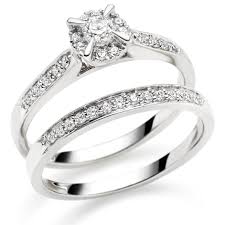
  • Womenโ€™s Wedding Bands White Gold: A Complete Guide to Timeless Elegance

    Womenโ€™s Wedding Bands White Gold: A Complete Guide to Timeless Elegance

    White gold has remained one of the most loved choices for brides who want something elegant yet modern. Its soft, silvery shine gives it a luxurious appearance without feeling overly flashy, making it perfect for everyday wear. When it comes to womenโ€™s wedding bands white gold, the appeal lies in how effortlessly they blend with different jewelry styles and skin tones.

    Another reason white gold stands out is its versatility. Whether paired with a diamond engagement ring or worn alone, it complements almost every design. Brides who want a balance between classic and contemporary often find themselves drawn to white gold because it never feels outdated.

    Understanding What Makes White Gold Special

    White gold is not naturally white; it is created by mixing pure gold with white metals like palladium or nickel. This blend gives it strength and its signature color, making it more durable than pure gold. For womenโ€™s wedding bands white gold, this durability is especially important since wedding bands are worn daily.

    To enhance its shine, white gold is coated with rhodium, a rare metal that adds a bright, reflective finish. This coating not only improves the look but also adds a layer of protection. Over time, this coating may wear off, but it can be easily reapplied to restore the ringโ€™s original brilliance.

    Popular Styles for Womenโ€™s Wedding Bands

    The beauty of womenโ€™s wedding bands white gold lies in the wide variety of styles available. Some prefer simple, polished bands that offer a minimalist look, while others choose bands with intricate designs or embedded stones for added sparkle. Each style reflects a different personality and lifestyle.

    Diamond-studded bands are especially popular among brides who want extra brilliance. From pavรฉ settings to channel-set diamonds, these designs enhance the elegance of white gold. For those who prefer subtlety, engraved or textured bands provide a unique touch without being too bold.

    Matching Your Wedding Band with Your Engagement Ring

    Choosing a wedding band that pairs well with your engagement ring is an important step. The goal is to create a cohesive look where both rings complement each other rather than compete for attention. Womenโ€™s wedding bands white gold are particularly easy to match because of their neutral tone.

    If your engagement ring features diamonds, a white gold band with similar stones can create a seamless appearance. On the other hand, a plain band can balance out a more elaborate engagement ring. The key is to consider the shape, setting, and overall style of your existing ring.

    Comfort and Fit: What You Need to Know

    A wedding band is something youโ€™ll wear every day, so comfort should never be overlooked. The shape of the band, whether flat or slightly rounded, can make a big difference in how it feels on your finger. Many women find comfort-fit bands ideal because they are designed to slide on easily and sit comfortably.

    Sizing is equally important when selecting womenโ€™s wedding bands white gold. Fingers can change size due to temperature or time of day, so itโ€™s best to get measured professionally. A well-fitted ring should feel secure without being too tight, ensuring you can wear it comfortably for years.

    Durability and Maintenance Tips

    White gold is strong, but like any precious metal, it requires proper care. Daily wear can lead to minor scratches or dullness over time, especially if the ring is exposed to harsh chemicals or rough surfaces. Regular cleaning helps maintain its shine and keeps it looking new.

    To preserve the beauty of womenโ€™s wedding bands white gold, itโ€™s recommended to remove them during heavy activities. Periodic professional polishing and rhodium plating can restore their original brilliance. With proper care, a white gold band can last a lifetime without losing its charm.

    Budget Considerations Without Compromising Quality

    One of the advantages of white gold is that it offers a luxurious look at a more affordable price compared to platinum. This makes it an excellent option for couples who want elegance without exceeding their budget. Womenโ€™s wedding bands white gold provide great value while maintaining a high-end appearance.

    The final cost depends on factors like design complexity, weight, and whether diamonds are included. Even within a modest budget, itโ€™s possible to find a beautifully crafted band that meets both style and quality expectations. Careful selection ensures you donโ€™t have to compromise on what truly matters.

    Trends in White Gold Wedding Bands

    Modern brides are increasingly drawn to designs that reflect individuality. From mixed textures to unique diamond arrangements, womenโ€™s wedding bands white gold are evolving with new trends. These designs allow brides to express their personal style while still embracing tradition.

    Stackable bands have also become popular, offering flexibility to mix and match different styles over time. This trend allows women to add new rings for special occasions, creating a layered look that feels both meaningful and stylish.

    Final Thoughts on Choosing the Perfect Band

    Selecting the right wedding band is a deeply personal decision. Itโ€™s not just about style or budget, but about finding a piece that represents your relationship and will stand the test of time. Womenโ€™s wedding bands white gold continue to be a top choice because they combine beauty, durability, and versatility.

    Taking the time to explore different options and understand what suits your lifestyle will help you make the right choice. In the end, the perfect wedding band is one that feels natural on your finger and meaningful in your heart, symbolizing a lifetime of love and commitment.

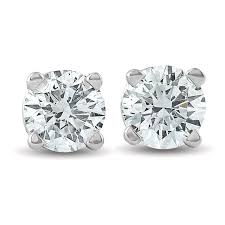
  • The Timeless Appeal of Diamond Earrings: A Complete Buying Guide

    The Timeless Appeal of Diamond Earrings: A Complete Buying Guide

    Diamond earrings have a way of elevating any look without trying too hard. Whether youโ€™re dressing up for a wedding or adding a touch of elegance to your everyday outfit, they bring a subtle brilliance that never goes out of style. Their versatility is what makes them a favorite across generations, from minimalists to luxury lovers.

    But buying the right pair isnโ€™t always straightforward. With so many styles, cuts, and settings available, itโ€™s easy to feel overwhelmed. This guide is designed to walk you through everything step by step, helping you choose diamond earrings that match your taste, budget, and lifestyle.

    Why Diamond Earrings Are Always in Style

    Fashion trends come and go, but some pieces remain timeless. Diamond earrings fall into that category because they strike a perfect balance between sophistication and simplicity. They can be worn with traditional outfits, modern fashion, or even casual wear without looking out of place.

    Another reason for their lasting popularity is their emotional value. Many people associate them with special moments like anniversaries, birthdays, or milestones. That emotional connection transforms them from just an accessory into something meaningful and long-lasting.

    Understanding the Basics of Diamonds

    Before choosing diamond earrings, itโ€™s important to understand what makes a diamond valuable. The well-known 4Csโ€”cut, color, clarity, and caratโ€”play a major role in determining both the appearance and price. Among these, the cut has the biggest impact on how much the diamond sparkles.

    Color and clarity are often misunderstood by buyers. While flawless diamonds are rare and expensive, slightly included diamonds can still look stunning to the naked eye. Knowing where to compromise can help you get the best value without sacrificing beauty.

    Popular Styles You Should Know

    When exploring diamond earrings, youโ€™ll come across a wide range of styles. Stud earrings are the most classic option, known for their simplicity and elegance. They sit comfortably on the earlobe and are perfect for daily wear.

    Hoops and drop earrings offer a more expressive look. Hoops add a modern touch, while drop styles bring movement and drama. Each style serves a different purpose, so your choice depends on whether you want something subtle or statement-making.

    Choosing the Right Metal Setting

    The metal you choose for your diamond earrings can completely change their overall look. White gold and platinum are popular because they enhance the diamondโ€™s brilliance and give a sleek, modern feel.

    Yellow gold and rose gold, on the other hand, add warmth and a vintage-inspired touch. These options are great if you want something unique that stands out while still maintaining elegance. Your skin tone and personal style should guide your decision.

    Matching Earrings to Face Shape

    Not many people think about face shape when buying earrings, but it can make a big difference. Round faces often benefit from elongated designs like drop earrings, which create a slimming effect.

    If you have a longer face, studs or smaller hoops can add balance. The goal is to choose diamond earrings that complement your natural features rather than overpower them, creating a harmonious overall look.

    Everyday Wear vs Special Occasions

    Some diamond earrings are designed for daily use, while others are meant for special events. Studs and small hoops are ideal for everyday wear because theyโ€™re comfortable and easy to style with anything.

    For weddings, parties, or formal events, more elaborate designs like chandelier or drop earrings can make a stronger statement. Having both types in your collection ensures youโ€™re prepared for any occasion without overthinking your accessories.

    Budgeting Without Compromising Quality

    Itโ€™s possible to find beautiful diamond earrings at different price points if you know how to prioritize. Instead of focusing only on size, consider balancing the 4Cs to get the best combination of sparkle and value.

    Many buyers make the mistake of overspending on carat weight while ignoring cut quality. A smaller, well-cut diamond often looks more brilliant than a larger, poorly cut one. Smart choices can help you stay within budget without sacrificing elegance.

    How to Care for Your Diamond Earrings

    Proper care ensures your diamond earrings maintain their brilliance for years. Regular cleaning helps remove dirt and oils that can dull their sparkle. A gentle solution of warm water and mild soap is usually enough for routine maintenance.

    Itโ€™s also important to store them safely when not in use. Keeping them in a soft pouch or jewelry box prevents scratches and damage. Taking a little time for care can significantly extend their lifespan and beauty.

    Are Diamond Earrings a Good Investment?

    Beyond their beauty, diamond earrings can also hold long-term value. While not all jewelry appreciates in price, high-quality diamonds tend to retain their worth over time, especially if they are well-maintained.

    However, their true value often lies in their emotional and aesthetic appeal. They are pieces you can wear for years or even pass down as heirlooms, making them both a personal and meaningful investment.

    Final Thoughts

    Choosing the perfect diamond earrings doesnโ€™t have to be complicated. By understanding the basics, exploring different styles, and considering your personal preferences, you can find a pair that feels just right.

    Take your time, trust your instincts, and focus on what truly appeals to you. The right pair of diamond earrings will not only enhance your look but also become a cherished part of your collection for years to come.

  • The Ultimate Guide to Choosing the Best Lip Balm for Sensitive Lips

    The Ultimate Guide to Choosing the Best Lip Balm for Sensitive Lips

    Sensitive lips require more than just a regular swipe of balmโ€”they need extra care, thoughtful ingredients, and consistent hydration. If youโ€™ve ever experienced irritation, dryness, or peeling after using a lip product, chances are your lips fall into the sensitive category. This detailed guide will help you understand how to choose the lip balm for sensitive lips that truly works, while also highlighting what to look for when shopping online.

    What Makes a Lip Balm for Sensitive Lips Different?

    Not all lip balms are created equal. A lip balm for sensitive lips is specifically formulated to avoid harsh ingredients that may trigger irritation. Unlike standard lip balms, these are designed to soothe, repair, and protect delicate lip skin.

    Sensitive lips often react to:

    • Artificial fragrances
    • Synthetic dyes
    • Alcohol-based ingredients
    • Harsh preservatives

    Thatโ€™s why selecting the best lip balm for sensitive lips means focusing on clean, gentle, and nourishing formulas.

    Key Ingredients to Look for in the Best Lip Balm for Sensitive Lips

    When searching for the best lip balm for sensitive lips, always check the ingredient list. The right combination of natural and hydrating ingredients can make a big difference.

    1. Natural Butters and Oils

    Look for ingredients like:

    • Shea butter
    • Cocoa butter
    • Coconut oil

    These help deeply moisturize and create a protective barrier.

    2. Beeswax or Plant-Based Waxes

    These ingredients lock in moisture and shield lips from environmental damage.

    3. Vitamin E

    Vitamin E is a powerful antioxidant that helps repair damaged skin and improve lip texture.

    4. Hyaluronic Acid

    A great hydration booster that keeps lips plump and prevents dryness.

    Choosing a formula with these ingredients ensures youโ€™re investing in the best lip balm for sensitive lips.

    Ingredients to Avoid in Lip Balm for Sensitive Lips

    While some ingredients nourish, others can worsen sensitivity. Avoid these when choosing a lip balm for sensitive lips:

    • Artificial fragrance and flavor
    • Menthol or camphor
    • Parabens
    • Salicylic acid
    • Strong essential oils (in high concentrations)

    These ingredients may cause tingling, burning, or drynessโ€”exactly what sensitive lips donโ€™t need.

    How to Identify the Best Lip Balm for Sensitive Lips

    With so many options available, finding the best lip balm for sensitive lips can feel overwhelming. Here are some simple tips:

    Check for โ€œHypoallergenicโ€ Labels

    Products labeled hypoallergenic are less likely to cause irritation.

    Go for Minimal Ingredients

    A shorter ingredient list often means fewer chances of a reaction.

    Choose Dermatologically Tested Products

    These are generally safer for sensitive skin types.

    Avoid Overly Glossy or Sticky Formulas

    These may contain synthetic additives that can irritate lips.

    Benefits of Using a Lip Balm for Sensitive Lips Daily

    Using a lip balm for sensitive lips regularly offers multiple benefits beyond just hydration.

    1. Prevents Dryness and Cracking

    Consistent use keeps lips soft and smooth.

    2. Protects Against Environmental Damage

    Wind, sun, and pollution can damage sensitive lipsโ€”lip balm acts as a barrier.

    3. Soothes Irritation

    A good balm calms redness and discomfort instantly.

    4. Improves Lip Texture

    Over time, your lips appear healthier and more even.

    This is why investing in the best lip balm for sensitive lips is essential for long-term lip care.

    Buy Lip Balm for Sensitive Lips Online: What to Consider

    When you buy lip balm for sensitive lips online, itโ€™s important to make informed decisions. Hereโ€™s what to keep in mind:

    Read Customer Reviews

    Reviews give real insights into how the product performs for others with sensitive lips.

    Check Ingredient Transparency

    Trust brands that clearly list all ingredients.

    Look for Clean Beauty Brands

    Brands focused on clean formulations are often better suited for sensitive skin.

    Compare Product Benefits

    Not all lip balms offer the same level of hydration or protection.

    Taking these steps ensures you get the best lip balm for sensitive lips when shopping online.

    Why Goldn Beauty Lip Balm for Sensitive Lips Stands Out

    When it comes to gentle yet effective lip care, Goldn Beauty lip balm for sensitive lips is designed with sensitivity in mind.

    Clean and Thoughtful Formulation

    The formula avoids harsh chemicals and focuses on nourishing, skin-friendly ingredients.

    Deep Hydration

    It helps restore moisture and keeps lips soft throughout the day.

    Lightweight and Non-Irritating

    Perfect for daily use without causing discomfort.

    Suitable for All Skin Types

    Especially beneficial for those who struggle with frequent lip irritation.

    Choosing Goldn Beauty lip balm for sensitive lips means opting for a product that prioritizes both safety and performance.

    How to Use Lip Balm for Sensitive Lips Effectively

    Even the best lip balm for sensitive lips wonโ€™t work if not used properly. Follow these simple steps:

    Apply on Clean Lips

    Start with clean, dry lips to ensure better absorption.

    Use Multiple Times a Day

    Apply after meals, before bed, and whenever lips feel dry.

    Layer Before Lipstick

    Use it as a base to prevent dryness from makeup.

    Avoid Overuse of Exfoliants

    Gentle care is keyโ€”donโ€™t over-exfoliate sensitive lips.

    Common Mistakes to Avoid

    While using a lip balm for sensitive lips, avoid these common mistakes:

    • Switching products too frequently
    • Using flavored or scented balms
    • Ignoring ingredient labels
    • Not staying hydrated

    Consistency and the right product choice are crucial for results.

    DIY vs Store-Bought: Which is Better?

    Some people consider DIY options, but when it comes to sensitive lips, professionally formulated products are safer.

    Store-bought options like the best lip balm for sensitive lips are:

    • Dermatologically tested
    • Balanced in formulation
    • More stable and long-lasting

    DIY products may lack proper preservation and consistency.

    Seasonal Lip Care Tips for Sensitive Lips

    Your lip care routine should change with the seasons.

    Winter

    Use thicker, more protective formulas to prevent cracking.

    Summer

    Opt for lightweight hydration with sun protection.

    Monsoon

    Keep lips clean and moisturized to avoid infections.

    No matter the season, a reliable lip balm for sensitive lips remains essential.

    Final Thoughts: Choosing the Best Lip Balm for Sensitive Lips

    Finding the best lip balm for sensitive lips doesnโ€™t have to be complicated. Focus on gentle ingredients, avoid irritants, and choose products designed specifically for sensitive skin.

    If youโ€™re planning to buy lip balm for sensitive lips online, take time to read labels, compare options, and select a trusted brand. A well-formulated product like Goldn Beauty lip balm for sensitive lips can make a noticeable difference in your daily lip care routine.

    Healthy, soft, and irritation-free lips are achievableโ€”you just need the right balm and consistent care.

  • Affordable Gaming Currency Deals Available For FFXIV Gil Through MmoGah

    FFXIV features one of the most vibrant player driven economies of any MMORPG. Players use Gil to purchase ingredients and gather tools, pay teleportation fees between Free Company houses, and pay any associated teleportation fees between houses – it serves as both currency in game as well as essential in-game currency!

    Accumulating currency can sometimes feel like an extra job within the game itself, taking up valuable playtime by grinding away at tedious dungeons and market boards.

    How do I know Iโ€™m buying from a reputable seller?

    FFXIV Gil (FFXIV Kaufen) is the currency used to purchase essential items that advance gameplay: repairs, teleports, materia mixing, crafted gear, food pots, housing and glamour. Furthermore, players may purchase powerful weapons and mounts with which to tackle challenging dungeons raids and trials.

    There are various methods of earning Gil in Final Fantasy XIV: A Realm Reborn, but many require considerable amounts of time and patience to produce results. Furthermore, certain methods may even be illegal and lead to suspension or deletion of accounts. As an alternative approach, more gamers opt to buy their Gil from trusted marketplaces instead.

    When buy ffxiv gil, always choose a trustworthy seller with a good track record and secure payment platform. Furthermore, look out for clear delivery instructions and receipt of transaction from this seller; finally be sure that they use safe in-game practices that comply with ToS.

    Finding a reputable seller is best accomplished through reading reviews and forums. In particular, look out for those with high customer ratings and exceptional service; also verify if they’ve been certified with Square Enix’s Authentication and Verification Program so you know you are purchasing genuine gil rather than from bots; additionally reputable sellers should be available to answer any questions regarding their services that arise.

    Why should I buy gil from ffxivgil.com?

    ffxivgil.com offers competitive pricing and consistently delivers great customer experiences, without taking advantage of players with suspicious-appearing tactics or methods that appear suspicious. They rely on clear trading methods that fit naturally with the game while not shying away from paying slightly extra for reliability and trustworthiness.

    Though it can be tempting to shop around for the best deal on f14 gil, remember that purchasing it violates Square Enix Terms of Service and may put your account at risk. Therefore it’s essential that you find a reputable seller like ffxivgil.com that understands this risk without overselling their services; their years of customer feedback speak for themselves!

    Veterans often see buying f14 gil as a means to break through barriers that would otherwise impede their progression, whether pentamelding gear for Savage or clearing raid content; it all comes back to money spent on food, teleports, repairs or new raid consumables – with patch windows driving demand up for gear and mats even hardcore players may feel the strain at some point!

    How do I know Iโ€™m getting the best deal?

    If you’re shopping for FFXIV Gil, make sure that you find a seller with competitive prices and fast delivery times – that will give you the best value. Also take the time to look at reviews before making your purchase decision.

    One of the best ways to purchase cheap ffxiv gil is through purchasing it directly from another player. ffxivgil.com makes this possible, providing access to hundreds of top-rated sellers. Plus, this site is safe and secure – perfect for buying your FFXIV Gil with peace of mind!

    Flipping items on the Market Board is another effective method for earning FFXIV Gil in A Realm Reborn, and it can be especially lucrative during patch launches when new crafted gear becomes available. By updating your prices during evening hours, you can take advantage of all those shoppers looking for deals at that time of day.

    Gil is essential in Final Fantasy XIV for many different purposes, from teleportation and airship rides, chocobo rides and equipment repairs, purchasing crafted battle gear to boost your level faster, raids or dungeons faster as well as housing in the Free Company.

    What are the benefits of buying gil from ffxivgil.com?

    Buy Gil in Final Fantasy XIV: A Realm Reborn is an effective and safe way to access what you need in game without risking your account or spending too much of your hard-earned cash. Just ensure you purchase from a reputable marketplace with positive customer reviews, fast delivery times and proven reliability; furthermore it pays to know how to spot and avoid scammers in advance.

    Making money in traditional fashion takes time, from flipping items on the market board to grinding out daily roulettes and treasure maps. For casual gamers or working adults juggling multiple games at once, this type of grinding may prove a difficult challenge to manage alongside their other playtime activities.

    Trustworthy FFXIV Gil sellers provide fair pricing that makes sense in-game economy-wise and will never try to undercut you with suspiciously low offers. Their level of transparency sets them apart from fly-by-night operations.

    ffxivgil.com has earned a stellar reputation for their fast delivery, even during peak hours, and their excellent communication with their customers. That makes ffxivgil.com an essential service for players seeking to preserve immersion and reduce stress when making transactions that require much in-game attention to complete successfully.


  • Rummy Mate Real Money Game โ€“ Best Tips to Win Daily

    Rummy Mate Real Money Game โ€“ Best Tips to Win Daily

    The world of online gaming in India has grown rapidly, and among the most popular card-based platforms is rummy mate. Known for its smooth gameplay, attractive bonuses, and real cash rewards, this app has become a favorite for players who want both entertainment and earnings. Whether you are a beginner or an experienced player, understanding the right strategies can significantly increase your chances of winning daily.

    In this detailed guide, youโ€™ll learn everything about Rummy Mate Apk, how to complete a safe Rummy Mate Apk Download, and most importantly, the best tips to win real money consistently.


    What is Rummy Mate Real Money Game?

    Rummy mate is an online card gaming platform where players can participate in various rummy formats and earn real cash. The app offers quick matches, tournaments, and exciting bonus features that make gameplay engaging.

    Unlike traditional card games, the Rummy Mate Apk provides:

    • Real-time multiplayer gameplay
    • Instant withdrawals
    • Daily bonuses and rewards
    • Beginner-friendly interface

    The game follows standard Indian rummy rules where the main goal is to form valid sequences and sets.


    Why is Rummy Mate So Popular?

    The popularity of rummy mate is not just about winning moneyโ€”itโ€™s also about convenience and accessibility. With a simple Rummy Mate Apk Download, players can start playing anytime, anywhere.

    Key Reasons:

    • Easy to download and install via Rummy Mate Apk
    • Fast cash withdrawal system
    • Secure gaming environment
    • Attractive welcome bonuses
    • Multiple game modes

    This combination of features makes rummy mate one of the top choices for real money gaming in India.


    How to Download Rummy Mate Apk Safely

    Before you start playing, itโ€™s important to complete a safe Rummy Mate Apk Download. Since the app may not always be available on official app stores, follow these steps carefully:

    Step-by-Step Guide:

    1. Visit the official website or trusted source
    2. Click on the Rummy Mate Apk Download button
    3. Enable โ€œInstall from Unknown Sourcesโ€ in settings
    4. Install the Rummy Mate Apk file
    5. Open the app and register your account

    Safety Tips:

    • Always download the latest version of Rummy Mate Apk
    • Avoid third-party suspicious links
    • Check app permissions before installing

    Understanding the Basics of Rummy Mate

    To win consistently on rummy mate, you must understand the core rules of rummy.

    Objective of the Game:

    • Form at least one pure sequence
    • Create valid sets and sequences
    • Declare before your opponent

    Types of Sequences:

    • Pure Sequence โ€“ Without joker
    • Impure Sequence โ€“ With joker

    Mastering these basics is essential before applying advanced strategies in rummy mate.


    Best Tips to Win Daily on Rummy Mate

    Winning daily on rummy mate requires skill, patience, and strategy. Below are proven tips that can help improve your performance.


    1. Start with Practice Games

    Before playing real money matches, use free tables available in the Rummy Mate Apk. This helps you:

    • Understand gameplay
    • Learn card patterns
    • Build confidence

    Even experienced players often practice before entering high-stake games.


    2. Focus on Pure Sequence First

    The most important rule in rummy mate is forming a pure sequence. Without it, your declaration becomes invalid.

    Pro Tip:
    Always prioritize creating a pure sequence early in the game.


    3. Use Jokers Wisely

    Jokers can turn the game in your favor if used correctly.

    • Use jokers for difficult sets
    • Avoid wasting them on easy sequences
    • Save them for critical combinations

    Smart joker usage is a key strategy in rummy mate.


    4. Observe Opponentโ€™s Moves

    Winning in rummy mate is not just about your cardsโ€”itโ€™s also about understanding your opponent.

    • Track discarded cards
    • Avoid picking cards your opponent needs
    • Predict their sequences

    This strategic thinking gives you a strong edge.


    5. Discard High-Value Cards Early

    Cards like King, Queen, and Ace carry high points. If you lose, these can increase your penalty.

    Tip:
    Discard high-value cards early unless they are part of a sequence.


    6. Play Responsibly

    While rummy mate offers real money rewards, responsible gaming is essential.

    • Set a daily budget
    • Avoid chasing losses
    • Take breaks regularly

    This ensures long-term success and enjoyment.


    7. Take Advantage of Bonuses

    The Rummy Mate Apk provides multiple bonuses:

    • Welcome bonus
    • Daily login rewards
    • Referral bonuses

    Using these bonuses effectively can increase your bankroll without extra investment.


    8. Choose the Right Table

    Not all tables are suitable for every player.

    • Beginners should start with low-stake tables
    • Experienced players can join high-stake games

    Choosing the right table is crucial for consistent wins in rummy mate.


    9. Bluff Smartly

    Bluffing can confuse your opponents.

    • Discard misleading cards
    • Change your strategy mid-game
    • Keep opponents guessing

    However, over-bluffing can backfire, so use this strategy carefully.


    10. Practice Regularly

    Consistency is the key to mastering rummy mate.

    • Play daily
    • Learn from mistakes
    • Improve your strategies

    The more you play, the better your chances of winning.


    Advanced Strategies for Experienced Players

    If you already understand the basics, these advanced strategies can help you win more often on rummy mate.


    Card Tracking

    Keep track of:

    • Cards picked by opponents
    • Cards discarded
    • Possible combinations

    This helps you predict the game outcome.


    Risk Management

    Smart players always manage risk.

    • Avoid risky moves early in the game
    • Play safe until you have a strong hand

    Fast Decision Making

    In fast-paced games on Rummy Mate Apk, quick decisions are important.

    • Analyze cards quickly
    • Avoid overthinking
    • Trust your instincts

    Common Mistakes to Avoid

    Even skilled players make mistakes. Avoid these to improve your success rate in rummy mate:

    • Ignoring pure sequence
    • Holding high-value cards too long
    • Not observing opponents
    • Playing without strategy
    • Overusing jokers

    Learning from these mistakes can significantly improve your gameplay.


    Benefits of Playing Rummy Mate

    Playing rummy mate offers more than just financial rewards.

    Key Benefits:

    • Improves strategic thinking
    • Enhances decision-making skills
    • Provides entertainment
    • Opportunity to earn real money

    With a simple Rummy Mate Apk Download, you can enjoy all these benefits instantly.


    Is Rummy Mate Safe to Play?

    Yes, the Rummy Mate Apk is generally safe if downloaded from trusted sources.

    Safety Features:

    • Secure transactions
    • Encrypted data
    • Fair gameplay algorithms

    However, always ensure a safe Rummy Mate Apk Download to avoid risks.


    Tips for Beginners

    If youโ€™re new to rummy mate, follow these beginner-friendly tips:

    • Start with small bets
    • Learn rules thoroughly
    • Practice before playing cash games
    • Avoid emotional decisions

    These simple steps can help you build a strong foundation.


    Daily Winning Strategy Plan

    Hereโ€™s a simple daily plan to maximize your success on rummy mate:

    1. Start with practice games
    2. Use daily bonuses
    3. Play low-risk matches first
    4. Move to higher tables after winning
    5. Withdraw profits regularly

    Consistency in following this plan can lead to steady earnings.


    Conclusion

    Rummy mate is one of the best real money card games available today, offering both excitement and earning opportunities. With a safe Rummy Mate Apk Download, you can easily start your journey and enjoy competitive gameplay.

    However, winning daily is not just about luckโ€”it requires strategy, observation, and smart decision-making. By following the tips and techniques shared in this guide, you can improve your skills and increase your chances of consistent wins.

    Whether you are just starting or already playing regularly, mastering the Rummy Mate Apk can help you turn your gaming experience into a rewarding one.

    Read More articles on tube galore