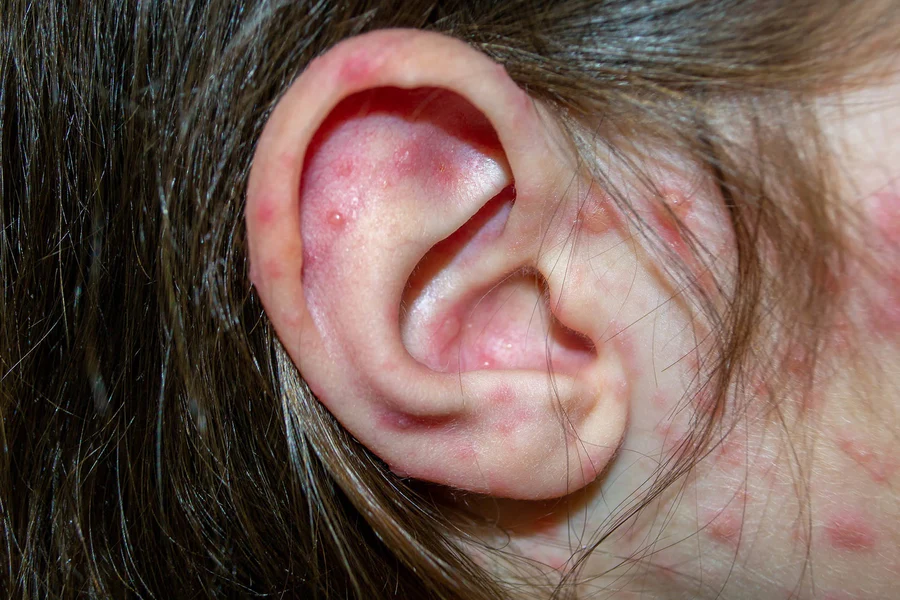

Have you ever felt itching or discomfort inside your ears? If so, you might be dealing with a condition called eczema in ear canal. This skin problem can be uncomfortable and frustrating. Many people do not know much about this condition. In this article, we will explain what ear canal eczema is, why it happens, and how you can manage it effectively.
What Is Ear Canal Eczema?
Ear canal eczema is a skin condition that affects the inside of your ear. The ear canal is the tube that connects the outside of your ear to your eardrum. When eczema develops in this area, the skin becomes dry, red, and itchy. Sometimes, the skin can also become flaky or crusty.
This condition can affect anyone, including children and adults. It can happen in one ear or both ears at the same time. The symptoms can range from mild to severe. Some people experience only slight itching, while others may have pain and discharge from their ears.
What Causes Eczema in the Ear Canal?
Understanding why eczema in ear canal develops can help you prevent and manage it better. There are several reasons why this condition occurs.
One common cause is irritation from products we use. Shampoos, soaps, hair dyes, and ear drops can irritate the sensitive skin inside the ear canal. When these products touch the skin, they can trigger an eczema flare-up.
Allergies also play a big role. Some people are allergic to certain materials like nickel in earrings or plastic in hearing aids. When these materials touch the ear canal, an allergic reaction can occur, leading to eczema.
Dry skin is another factor. When the skin inside your ear canal becomes too dry, it can crack and become irritated. This often happens during winter months when the air is dry.
Infections can trigger eczema as well. Bacterial or fungal infections in the ear can cause inflammation and lead to eczema symptoms. Scratching the inside of your ear can also damage the skin and make the condition worse.
Some people have a genetic tendency to develop eczema. If your family members have eczema or other skin conditions, you may be more likely to develop it too.
Common Symptoms to Watch For
Recognizing the symptoms of ear canal eczema helps you seek treatment early. The most common symptom is itching inside the ear. This itching can be very strong and difficult to ignore.
You might also notice redness or swelling in or around your ear. The skin may look inflamed and feel warm to the touch. In some cases, the skin becomes dry and flakes or peels.
Clear or yellowish fluid may drain from your ear. This discharge happens when the skin becomes very irritated or infected. Some people also experience pain or a feeling of fullness in the ear.
Your hearing might be affected if the eczema causes swelling that blocks the ear canal. You may feel like your ear is plugged or sounds are muffled.
How to Manage and Treat Ear Canal Eczema
Managing eczema in ear canal requires patience and the right approach. There are several steps you can take to reduce symptoms and prevent flare-ups.
First, avoid scratching your ears. Scratching may feel good at the moment, but it damages the skin and makes eczema worse. It can also lead to infections. Try to resist the urge to scratch, even when the itching is strong.
Keep your ears dry and clean. After showering or swimming, gently dry your ears with a soft towel. Avoid using cotton swabs deep inside your ear canal, as they can push debris further in and irritate the skin.
Use gentle products on your hair and skin. Choose shampoos and soaps that are free from harsh chemicals and fragrances. These products are less likely to irritate the sensitive skin in your ears.
Moisturizing can help dry skin. Ask your doctor about safe ear drops or oils that can keep the skin inside your ear canal hydrated. Regular moisturizing prevents the skin from cracking and becoming irritated.
Your doctor may prescribe medicated drops or creams. Steroid drops can reduce inflammation and itching. If you have an infection, antibiotic or antifungal drops may be necessary. Always follow your doctor’s instructions when using these medications.
Prevention Tips for Long-Term Relief
Preventing flare-ups is an important part of managing eczema in ear canal. By making small changes to your daily routine, you can reduce the frequency and severity of symptoms.
Identify and avoid your triggers. Pay attention to what makes your eczema worse. This might be certain products, foods, or environmental factors. Once you know your triggers, you can avoid them.
Protect your ears from irritants. When using hair products, try to keep them away from your ears. If you wear hearing aids or earbuds, clean them regularly and make sure they fit properly without rubbing against your skin.
Manage stress effectively. Stress can make eczema symptoms worse. Find healthy ways to relax, such as exercise, meditation, or spending time with loved ones.
Stay hydrated and eat a balanced diet. Drinking plenty of water and eating nutritious foods supports healthy skin. Some people find that certain foods trigger their eczema, so consider keeping a food diary to identify problem foods.
When to See a Doctor
While mild cases of ear canal eczema can often be managed at home, some situations require professional medical attention. You should see a doctor if your symptoms are severe or do not improve with home care.
Seek medical help if you have signs of infection. These include fever, severe pain, thick or smelly discharge, or hearing loss. Infections need prompt treatment to prevent complications.
If your eczema keeps coming back despite your best efforts, a doctor can help identify underlying causes and develop a better treatment plan. They may refer you to a dermatologist or ear specialist for further evaluation.
Living Well with Ear Canal Eczema
Having eczema in ear canal can be challenging, but with the right care and management, you can control your symptoms and enjoy life. Understanding your condition is the first step toward effective treatment.
Remember that everyone’s eczema is different. What works for one person may not work for another. Be patient as you find the best approach for your situation. Work closely with your healthcare provider to develop a treatment plan that works for you.
By following prevention tips, avoiding triggers, and seeking help when needed, you can minimize flare-ups and keep your ears healthy. With proper care and attention, ear canal eczema does not have to control your life.