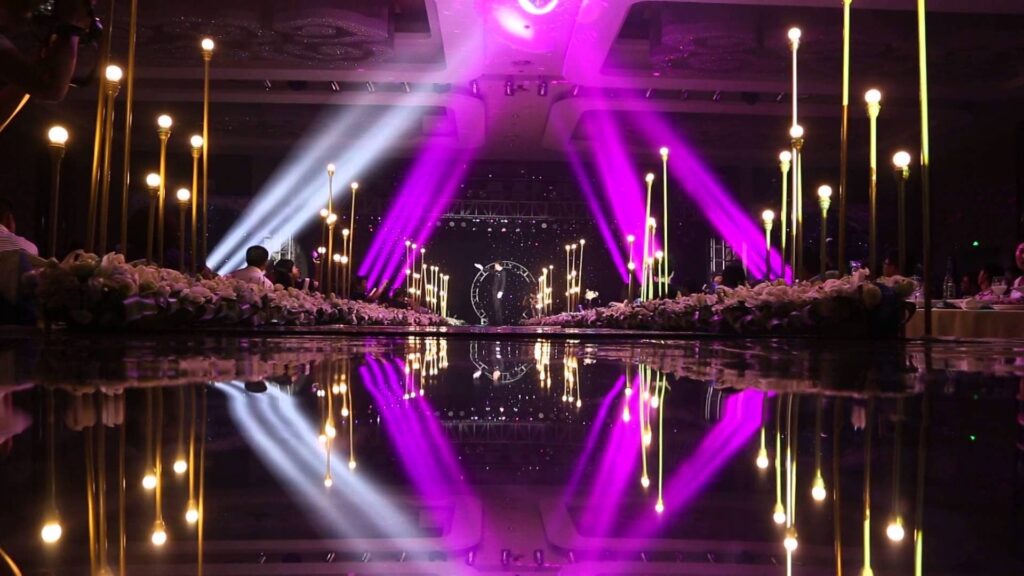

Lighting has an insignificant yet crucial role in a wedding day. It shapes the flow of movement among the visitors, where their interest will naturally focus, and the general ambiance. Whereas the visual theme is characterized by decor, the experience of the theme in reality is defined by the light. In addition to looks, lighting helps in transitioning between the moments.It assists visitors in their intuitive idea of their future location to meet, rest or proceed.
Light serves as a visual cue with no verbal instruction, whether it is the seating of the ceremonies or where to enter in the receptions. The planned wedding lighting service pays attention to flow but not decoration only. The celebration will happen in a smooth way when the lighting is appropriate and it is in tandem with timing, layout of the venue, and experience of the guests. In this paper, the author will discuss the use of professional lighting planning in facilitating natural transition between ceremony and reception.
Understanding the Role of a Wedding Lighting Service
A professional wedding lighting service is responsible for shaping how spaces function visually throughout the event. Its role extends beyond installing fixtures or choosing colors. Lighting planning begins with understanding the sequence of moments and how guests will experience them.
What a Wedding Lighting Service Really Does
Fundamentally, a lighting service is a translation of the schedule of the event into a visual form. It takes into account the perspective of the guests, sightlines and limitations of the venue. Seasoned staffs use the concepts of wedding lighting that are more natural than artificial.
Advance testing is also called professional wedding lighting. The light level, direction and warmth are set to a comfortable and photographic level. Such decisions are informed by experience and technical knowledge..
Finding a Dynasty between Aesthetics and Functionality
Effective lighting design supports beauty without sacrificing usability. Soft illumination reduces strain, while targeted lighting defines key areas. Practical lighting design tips ensure guests move comfortably between spaces.
A well-planned wedding lighting setup balances decorative elements with navigational clarity. Pathways, entrances, and seating areas remain visible without drawing attention away from the event.
Lighting for the Ceremony: Setting the First Impression
The emotional tone can be created with the help of wedding lighting service when the guest comes to the ceremony. The stage lighting should be relaxed, natural and friendly.
Natural and Comfortable Light for Guests
Ceremony lighting must be able to increase visibility and not to be invasive. Quasi-cruel brightness breaks the instant and causes inconvenience. The even spread of light is soft, and it will enable guests to be focused on the vows. Skilled planners focus on visual comfort through the minimization of glare and an absence of sharp contrast. Such a method helps to be mindful during the ceremony.
Highlighting Key Ceremony Elements
The altar, aisle, and couple are slightly lit. These elements are highlighted in a natural manner through subtle focus. The focus is not dramatic but subjective. When properly positioned, shadows are avoided and aid photography. These facts are adding to the way of remembering the ceremony.
Common Mistakes to Avoid
The problem of over-lighting is not unique. Too much brightness dulls the mood and distracts the focus. The other common error is failure to notice the alterations in natural light. Professionals look forward to day light shifts and environmental conditions. Their experience assists in avoiding the visual distraction when the ceremo takes place.
Switching to Reception: Making Light in Motion
At the end of the ceremony, lighting is taken as a leading factor. The wedding lighting service provides the guests with a smooth transition to the next stage without any confusion.
Using Light to Guide Movement
Strategic lighting directions assist the guests to know their next path. The brightened walkways and low lit entrances promote natural movement. This dispells the use of verbal instructions. The reception lighting concepts are usually based on gradual transitions as opposed to sudden transitions. These visual clues facilitate smooth changes..
Mood Shifts Through Lighting
Emotional pacing is mainly influenced by lighting. Less loud tones promote discussion during cocktailing. Subsequently, the space is livened up with warmer or livelier light. Planning the lighting transition Before the event, the shift of moods will be made purposeful and natural..
Seamless Integration With Venue Layout
The challenges are different in each of the venues. Lighting design is affected by ceiling height, structural aspects, and exterior locations. Proficient planners make lighting plans adaptable to the space. This flexibility will make sure that lighting adds flow instead of limiting it.
Reception Lighting: Enhancing Atmosphere and Experience
Layered lighting should be used in reception areas. A wedding lighting type of service makes sure that the space is not overcrowded with visuals of various activities.
Balancing Functional and Decorative Lighting
Visitors require adequate light to eat, mingle and move freely. The use of ornamental lighting warms the space and does not impair vision. Lighting is balanced, which facilitates prolonged interactions. This equilibrium provides to a friendly and comfortable atmosphere.
Lighting for First Dance and Key Moments
Significant scenes are enhanced with the help of concentrated light. The light is also regulated, illuminating the couple without making them a standalone part of the room. This ambiance is not fragmented. Professionals do not overpower. It focuses on emotional attachment.
Tech and Design Choices That Matter
The choice of fixtures has an impact on comfort and appearance. Mood and image quality are influenced by color temperature. Shadow control and visibility are dependent on placement. Such technical decisions are informed by experience.
Advantages of outsourcing to a Wedding Lighting Service
The cost of hiring a professional wedding lighting service would also be consistent, reliable and less stressful during the event.
Experience and Expertise You Can Trust
Professionals know when and how to behave and where to go. They can predict events they are likely to face due to their experience. The decisions about lighting are made with respect to proven results and not assumptions.
Reducing Stress and Surprises on the Big Day
Couples normally mention the smooth running of the wedding. There is a thoughtful lighting coordination behind that naturalness. Disruptions are also reduced when lighting is done professionally by planners. Last minute adjustments are reduced through preparation.
Case Studies: Real Weddings With Lighting That Worked
Apartmental ceremonies were made advantageous through the adaptive lighting in the sunset. The huge indoor spaces applied the use of layered lighting to direct visitors. Here we can see the examples of how lighting helps events flow silently.
Wedding Lighting: Practical Wedding Lighting Planning
The careful consideration will make sure that the lighting is appropriate to facilitate the movement and comfort of the guests. These are insights that imply professional practice..
Start With the Venue and Layout
The starting point of lighting plans is space assessment. Design is influenced by ceiling height, color of the surface and natural light. Planning at an early stage will avoid constraints in the future.
Prioritize Movement and Experience
Major areas should be defined properly. Cocktail areas, dance floors, ceremony areas, entrance areas, and dining areas are all provided with custom lighting. These differences will lead the guests in the right direction.
Collaborate With Your Photographer and Videographer
Image quality is determined by the lighting. Coordination is done to capture the major moments. The professionals match the lighting angles to the requirements of the camera. Such a partnership improves the ultimate outcomes.
Conclusion
Planned wedding lighting service does not just serve ornamental value. It improves motion, comfort and emotional flow during the party. Throughout the ceremony to the reception, lighting directs the visitors in a very effective manner. The transitions seem natural when lighting is considered as an experience design. Due to mindful lighting, couples enjoy better flow and remain to have long lasting memories.
FAQS
What does a wedding lighting service typically cover?
It usually includes lighting design planning, equipment setup, on-site adjustments, and coordination with the venue layout. The focus stays on visual comfort and smooth transitions.
How does lighting affect guest movement during a wedding?
Well-planned lighting subtly guides guests between spaces by highlighting pathways and gathering areas. This reduces confusion without needing signs or announcements.
Can wedding lighting be adjusted throughout the event?
Yes, lighting is often adjusted to match different moments, such as the ceremony, dining, and dancing. These changes help maintain the right atmosphere as the event progresses.
Why is professional lighting important for wedding photography?
Proper lighting improves clarity, skin tones, and depth in photos and videos. It ensures key moments are captured naturally without harsh shadows or glare