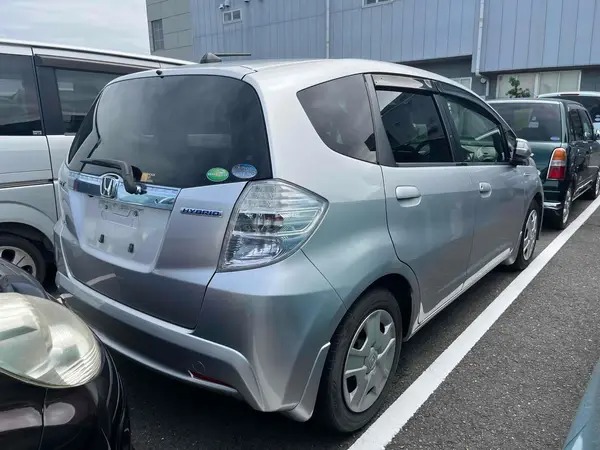

Introduction: A Quiet Shift in the Global Used Car Market
The global automotive trade is undergoing a subtle recalibration. Buyers are no longer impressed by age alone. Mileage has become the dominant metric of perceived value. Within this recalibration, the Japanese used car occupies a central position. Auction data from Japan shows a clear and consistent rise in demand for vehicles with remarkably low odometer readings. This is not accidental. It is structural, cultural, and data-backed.
Understanding Japanese Car Auctions
Japan operates one of the most transparent vehicle auction ecosystems in the world. Thousands of cars pass through weekly, each inspected by third-party professionals. Auction sheets document mileage, mechanical health, cosmetic wear, and even odor. This standardized evaluation framework creates trust. For international buyers, auction data is not anecdotal evidence. It is a living dataset reflecting real buyer behavior and pricing pressure.
What Low Mileage Really Signals
In many markets, low mileage can be circumstantial. In Japan, it often reflects disciplined ownership. Short commutes, efficient public transport, and stringent inspection laws reduce unnecessary usage. A low-mileage Japanese used car typically signals restrained wear across drivetrain components, suspension geometry, and interior materials. It also implies compliance with rigorous servicing schedules. Mileage, in this context, is not just a number. It is a proxy for mechanical serenity.
Auction Data Trends Driving Demand
Auction analytics reveal a decisive pattern. Vehicles with mileage below average benchmarks consistently attract higher bids, even when older by model year. Hybrid hatchbacks, compact sedans, and kei-class vehicles dominate this segment. The demand curve is steepest where reliability intersects with efficiency. Buyers are voting with capital. They are prioritizing mechanical longevity over superficial novelty.
Interestingly, the price delta between moderate and ultra-low mileage units has widened over the past few years. This suggests an increasing sophistication among buyers. They are reading auction data more carefully. They are planning ownership horizons, not just purchases.
Why Buyers in Pakistan Are Paying Attention
Pakistan’s automotive market is shaped by fuel economics, road variability, and long-term ownership habits. Low-mileage imports from Japan align precisely with these realities. Auction data informs local import decisions, influencing which models enter the market and at what price points. As a result, many of the best Japanese cars in Pakistan originate from this low-mileage auction segment.
Fuel-efficient hybrids and compact SUVs with restrained usage offer predictable maintenance cycles. They also adapt well to urban congestion and mixed road conditions. Auction trends do not just reflect global demand. They actively shape domestic availability.
Price Versus Value: The Real Equation
Low mileage often commands a premium. However, auction data reveals that this premium frequently amortizes over time. Reduced repair frequency, extended component life, and stable resale values offset higher acquisition costs. A Japanese used car with documented low mileage depreciates differently. Its value erosion is slower and more linear.
This recalibration forces buyers to rethink affordability. The cheapest option at purchase is not always the least expensive over five years. Auction pricing patterns validate this logic repeatedly.
Risks, Misinterpretations, and Due Diligence
Low mileage is not infallible. Prolonged inactivity can introduce its own mechanical issues. Rubber degradation, fluid stagnation, and battery fatigue are real considerations. Auction data must be interpreted holistically. Condition grades, service notes, and inspector comments matter.
Sophisticated buyers understand this nuance. They do not chase mileage blindly. They correlate it with usage patterns and maintenance history. Auction sheets reward those who read between the lines.
Conclusion: What the Data Suggests for the Future
The rise of low-mileage Japanese used cars is not a fleeting trend. Auction data indicates structural durability. As global buyers become more analytical, demand will continue to consolidate around vehicles that promise longevity rather than novelty. For markets like Pakistan, this data-driven shift will further refine what qualifies as value.
The message from the auctions is unambiguous. Mileage matters, but context matters more. Buyers who understand both will remain ahead of the curve.